
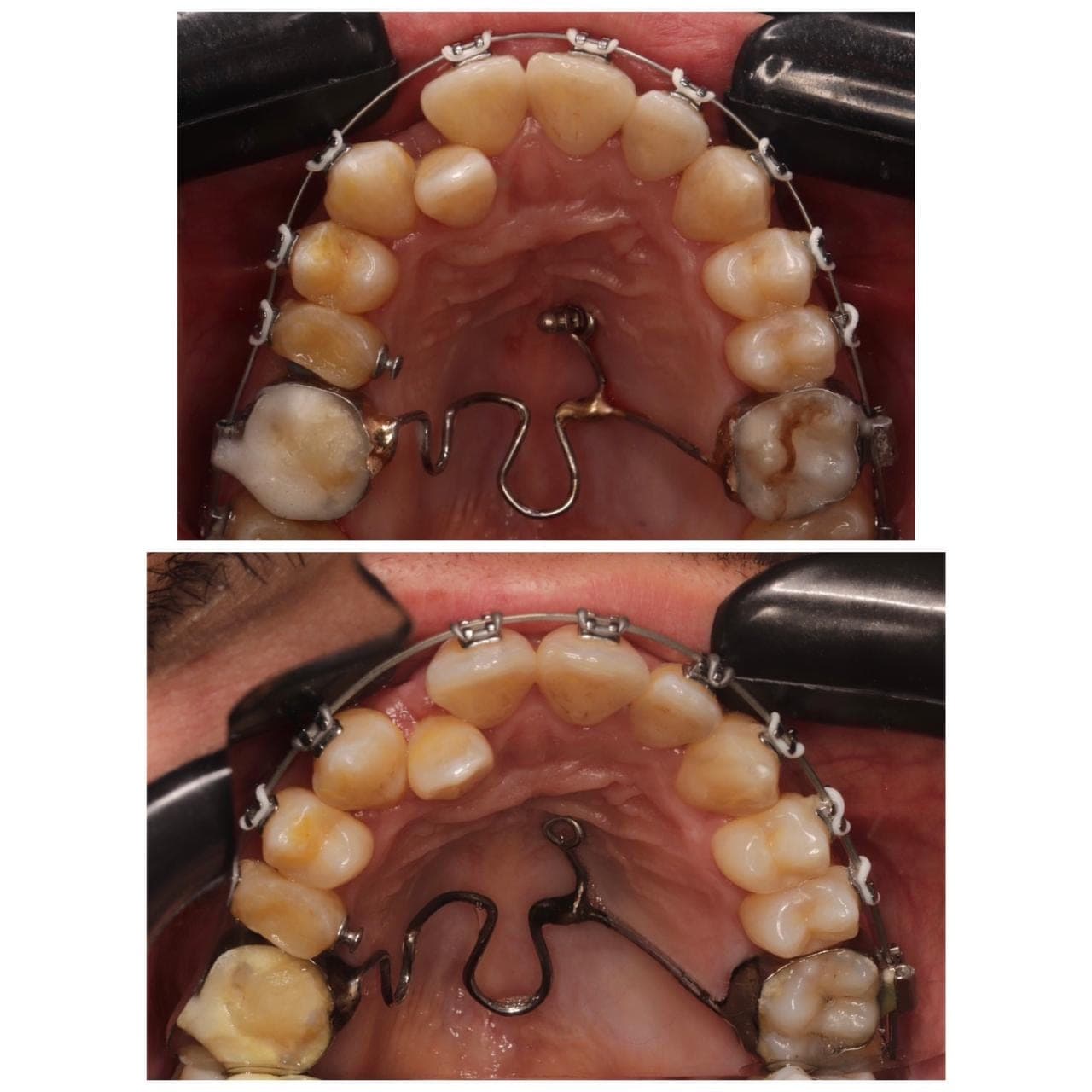
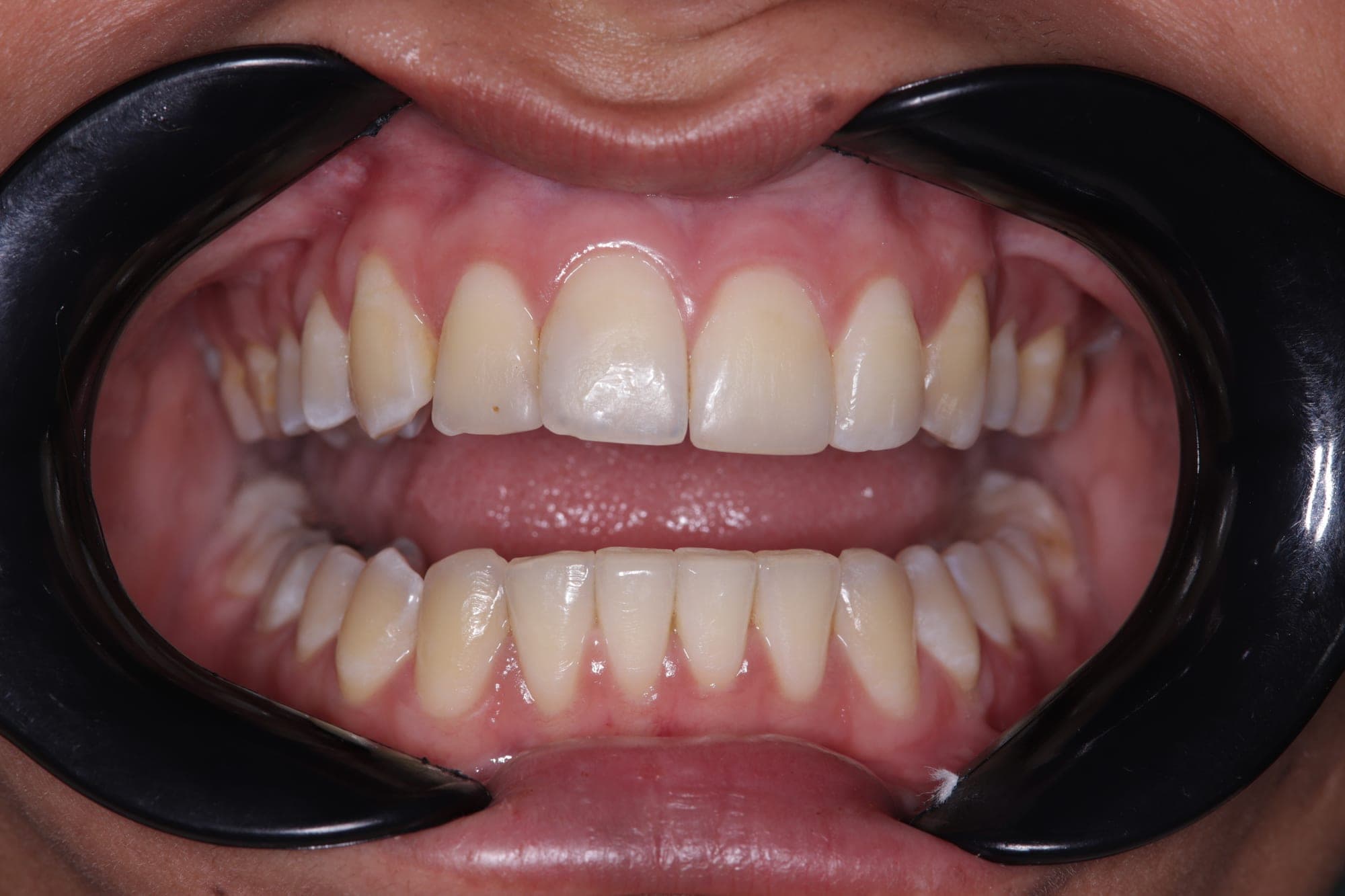
 Before
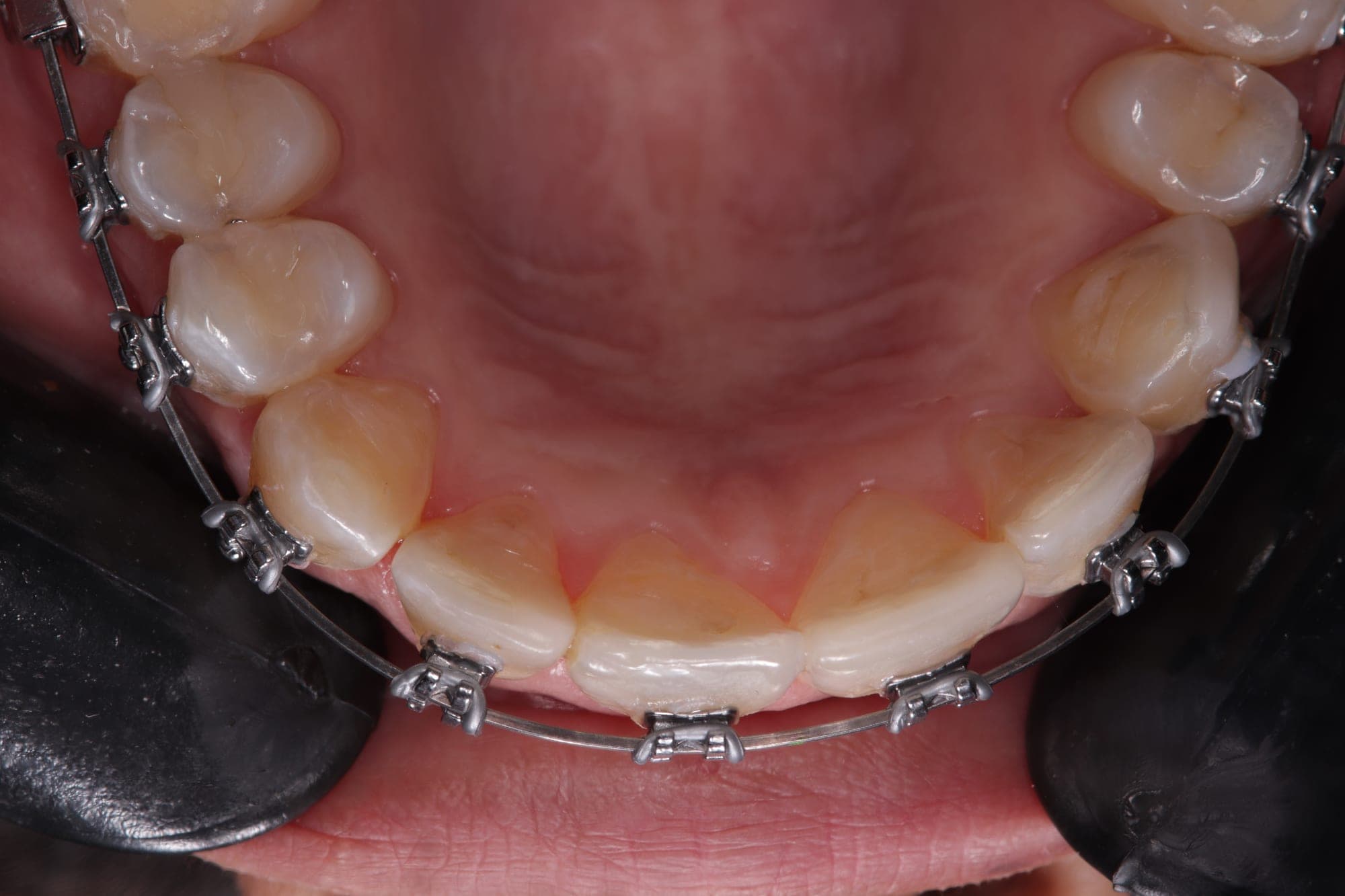
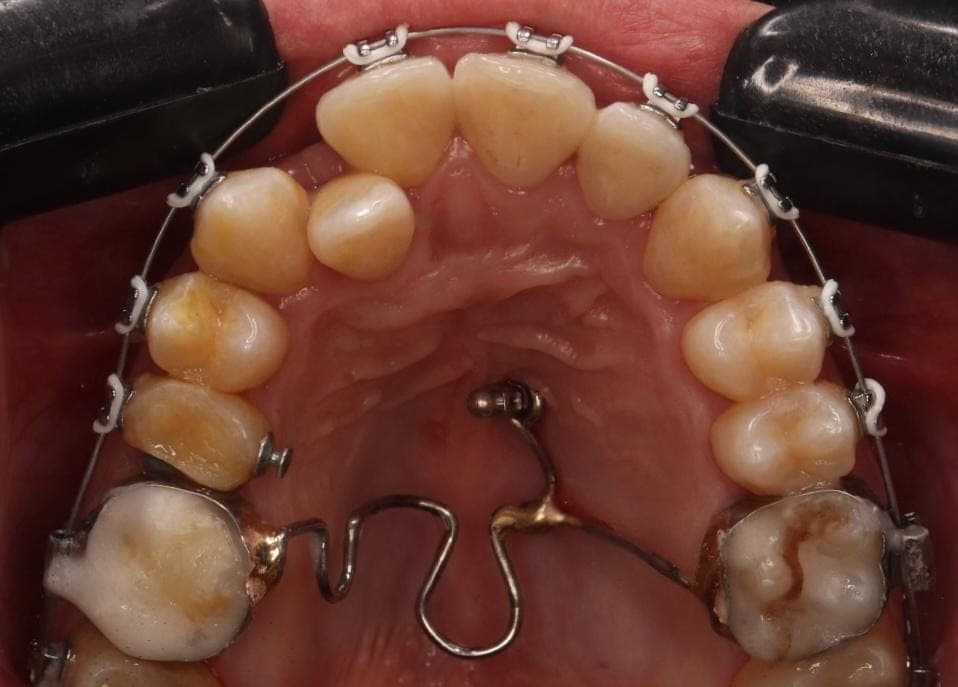 After
AfterPremium Orthodontics Transformation
Braces removed to reveal a perfectly aligned, powerful smile. A testament to patience and clinical excellence.

Overview
Metal braces use brackets bonded to each tooth, connected by an adjustable wire, to gradually move teeth into their correct position. They're the most versatile orthodontic option — able to treat complex misalignment that clear aligners can't — and typically the most affordable. Treatment commonly takes several months to around two years, with monthly in-office adjustments, followed by a retainer to hold the result.
| Metal Braces | Clear Aligners | |
|---|---|---|
| Visibility | Visible brackets and wire | Virtually invisible |
| Case complexity | Handles the widest range, including complex cases | Best for mild-to-moderate misalignment |
| Removability | Fixed — can't be taken out | Removable for eating and cleaning |
| Daily maintenance | More diligent cleaning needed around brackets and wires | Easier daily cleaning — aligners come out |
| Visits | Monthly in-office adjustments | Less frequent — tray changes happen at home |
| Cost | 30,000 EGP full mouth · 15,000 EGP per arch | 60,000 EGP full mouth |
Metal braces remain the go-to choice for complex misalignment and for patients prioritizing cost, since they're generally the least expensive orthodontic option in the category. Clear aligners trade some of that versatility for a much less visible, removable option — better suited to mild-to-moderate cases where discretion matters more than handling the widest range of complexity. See Clear Aligners for the full picture on that option, or compare both options side by side.
Typical duration ranges from several months to a couple of years depending on how much correction is needed. Expect monthly in-office visits for wire adjustments throughout treatment — more frequent than clear aligners typically require, since the wire has to be actively adjusted by the team rather than self-managed at home.
Once braces come off, a retainer is needed to hold the result — treatment isn't complete the moment the brackets are removed. Skipping retainer wear is one of the most common reasons results shift back over time, so this is worth taking as seriously as the active treatment phase itself.
When should I call the clinic?
If a bracket comes loose, a wire is poking or causing irritation, or soreness after an adjustment doesn't ease within the first few days — these are worth a call rather than waiting for your next scheduled visit.
BeforeAfterBraces removed to reveal a perfectly aligned, powerful smile. A testament to patience and clinical excellence.
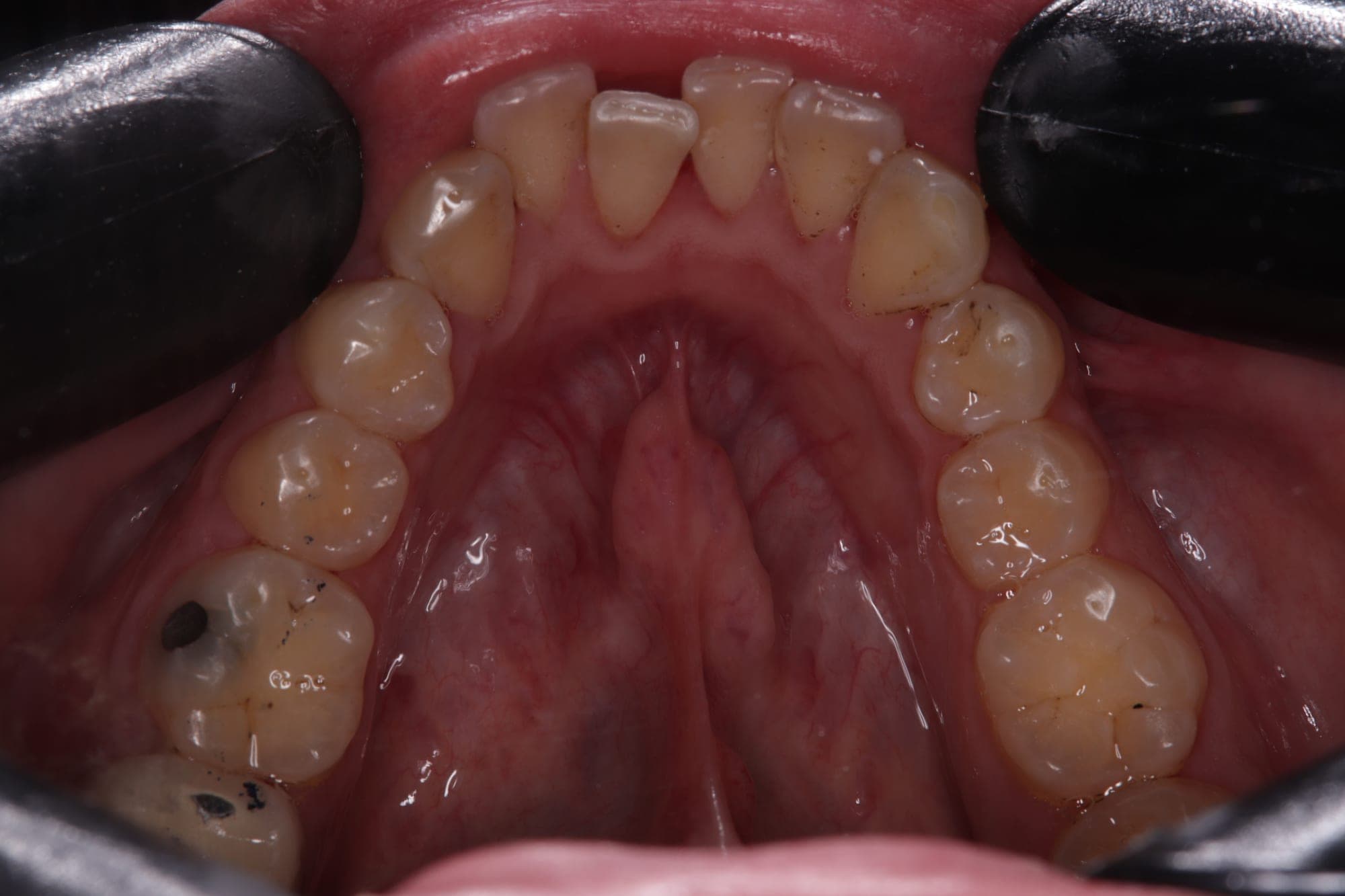 Before
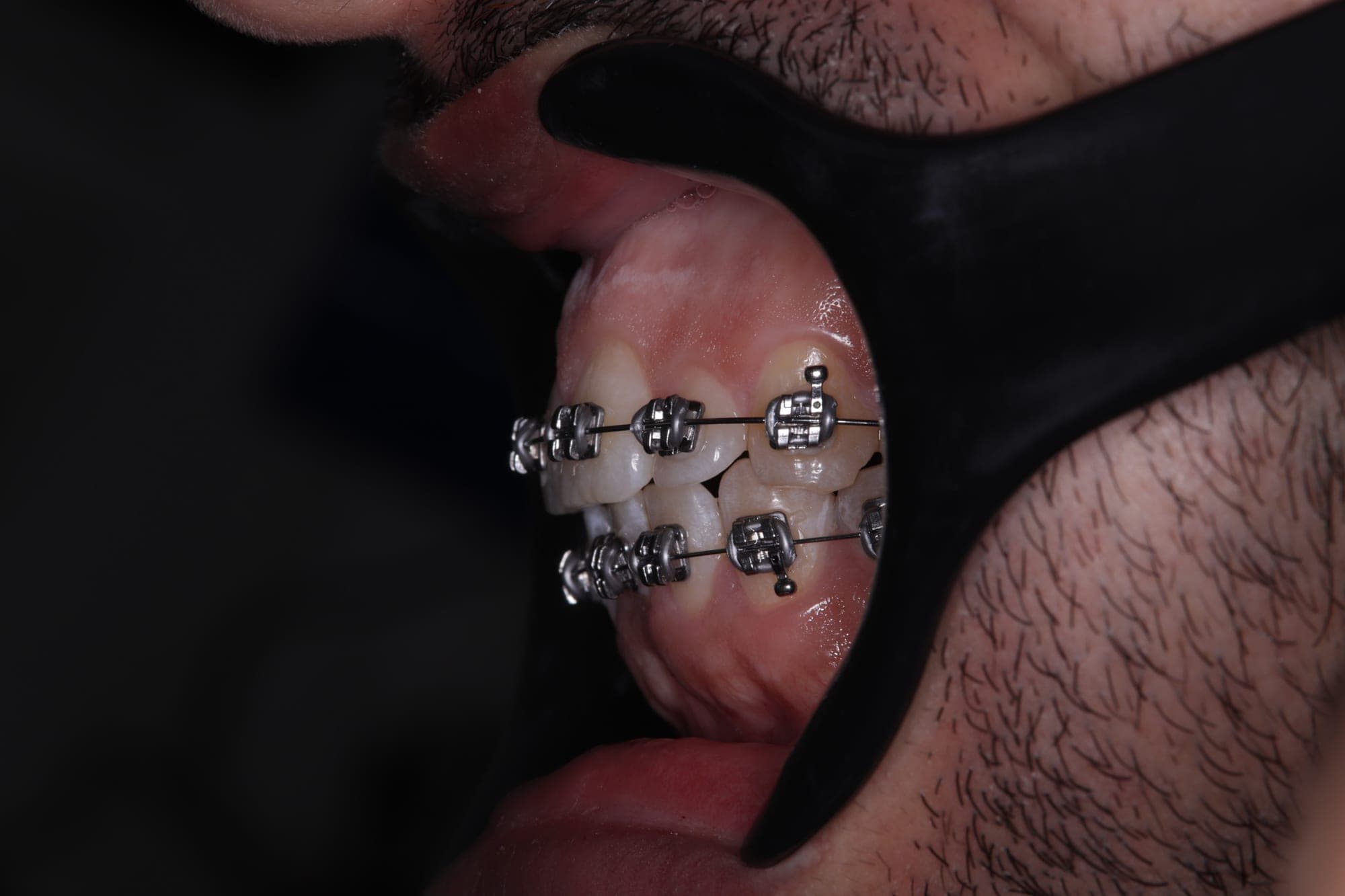 After
AfterBraces removed to reveal a perfectly aligned, powerful smile. A testament to patience and clinical excellence.
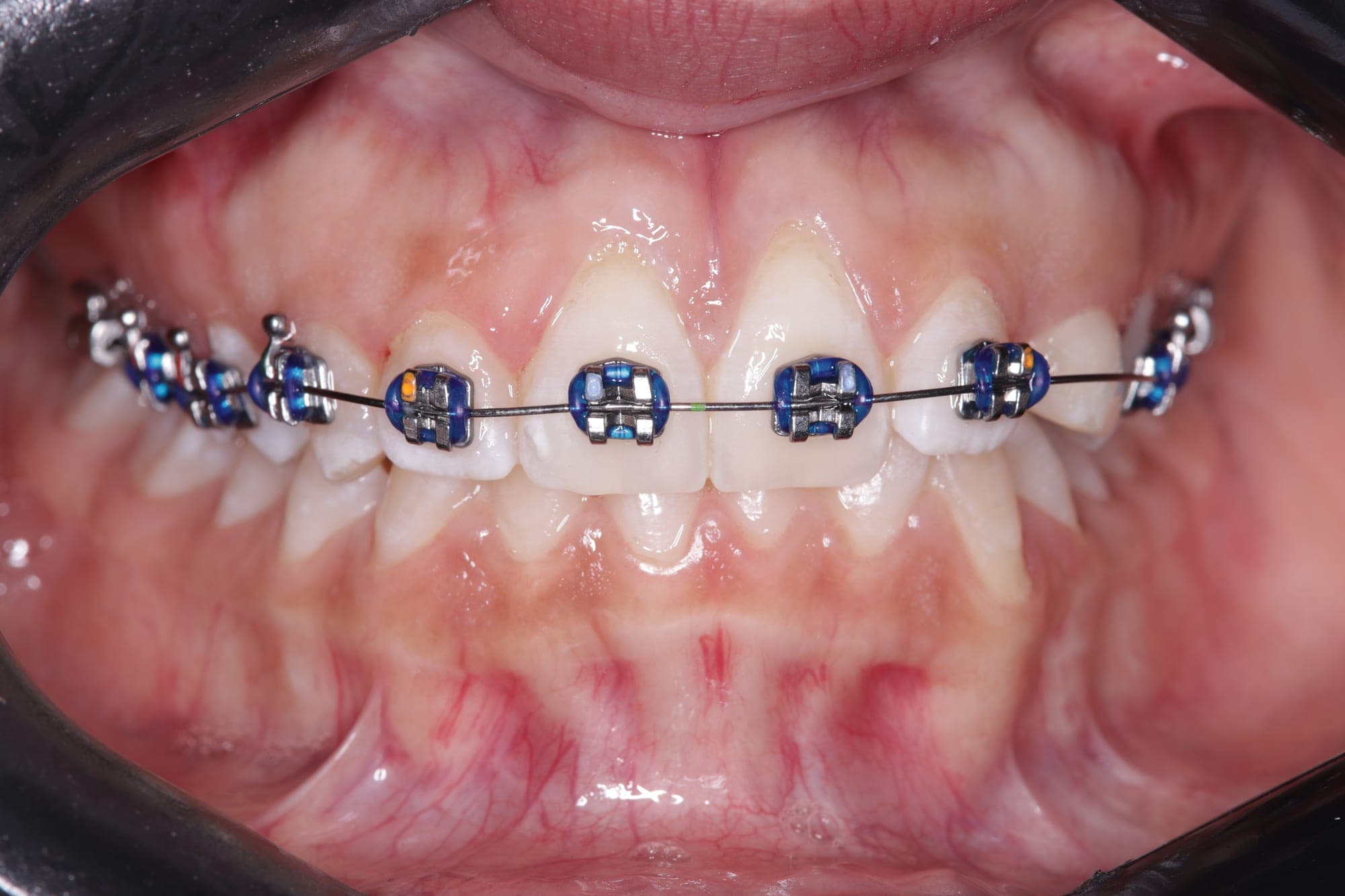
 Before
 After
AfterBraces removed to reveal a perfectly aligned, powerful smile. A testament to patience and clinical excellence.
 Before
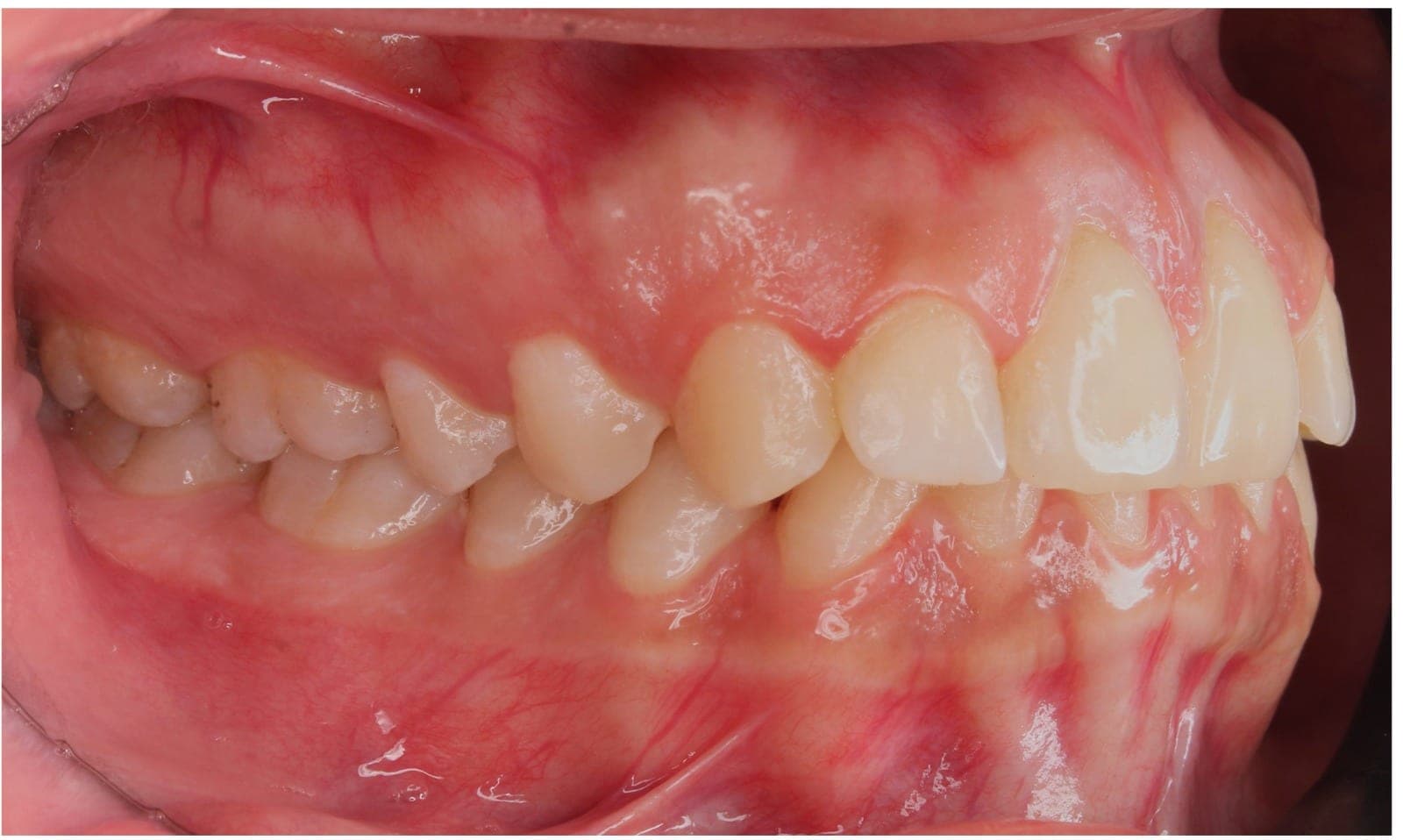 After
AfterBraces removed to reveal a perfectly aligned, powerful smile. A testament to patience and clinical excellence.
| Option | Price |
|---|---|
| Full mouth (upper and lower arches) | 30,000 EGP |
| Single arch | 15,000 EGP |
The clinic doesn't accept insurance directly; financing runs through ValU, Contact, Souhoola, and Aman.

Metal braces treatment at Vienna Dental Clinic is performed by Dr. Amr El Anany, Orthodontics — see his profile.
That combination of hands-on clinical experience and rigorous postgraduate training shapes how Dr. El Anany approaches every case: a strong commitment to clinical excellence, paired with the practical judgment that comes from real patient care.
Metal braces use brackets bonded to each tooth, connected by a wire that's gradually adjusted over time to move teeth into their correct position — the most established and versatile orthodontic option, capable of handling cases too complex for clear aligners.
Not during placement, but some soreness for a few days after each adjustment is normal and expected — this is a routine part of the process, not a sign anything's wrong.
It varies by case — typically several months to a couple of years, depending on how much correction is needed. This gets confirmed more precisely once your specific treatment plan is set.
No — braces work for teens and adults alike.
Some adjustments are needed — very sticky or hard foods are worth avoiding since they can damage brackets and wires, but otherwise most foods are fine. Your team will go over specifics at your first appointment.
If a bracket comes loose, a wire is poking or causing irritation, or soreness after an adjustment doesn't ease within the first few days — these are worth a call rather than waiting for your next scheduled visit.
As long as you wear your retainer as directed — results can shift back over time if retainer wear is skipped, which is one of the most common reasons cases relapse after otherwise successful treatment.
Misalignment doesn't tend to resolve on its own, and some cases become more involved to correct the longer they're left. A consultation can tell you whether your case is time-sensitive.
It depends on your case — metal braces handle a wider range of complexity and generally cost less, while clear aligners are removable and far less visible. See the comparison above; your specific misalignment is what actually determines the right fit.