
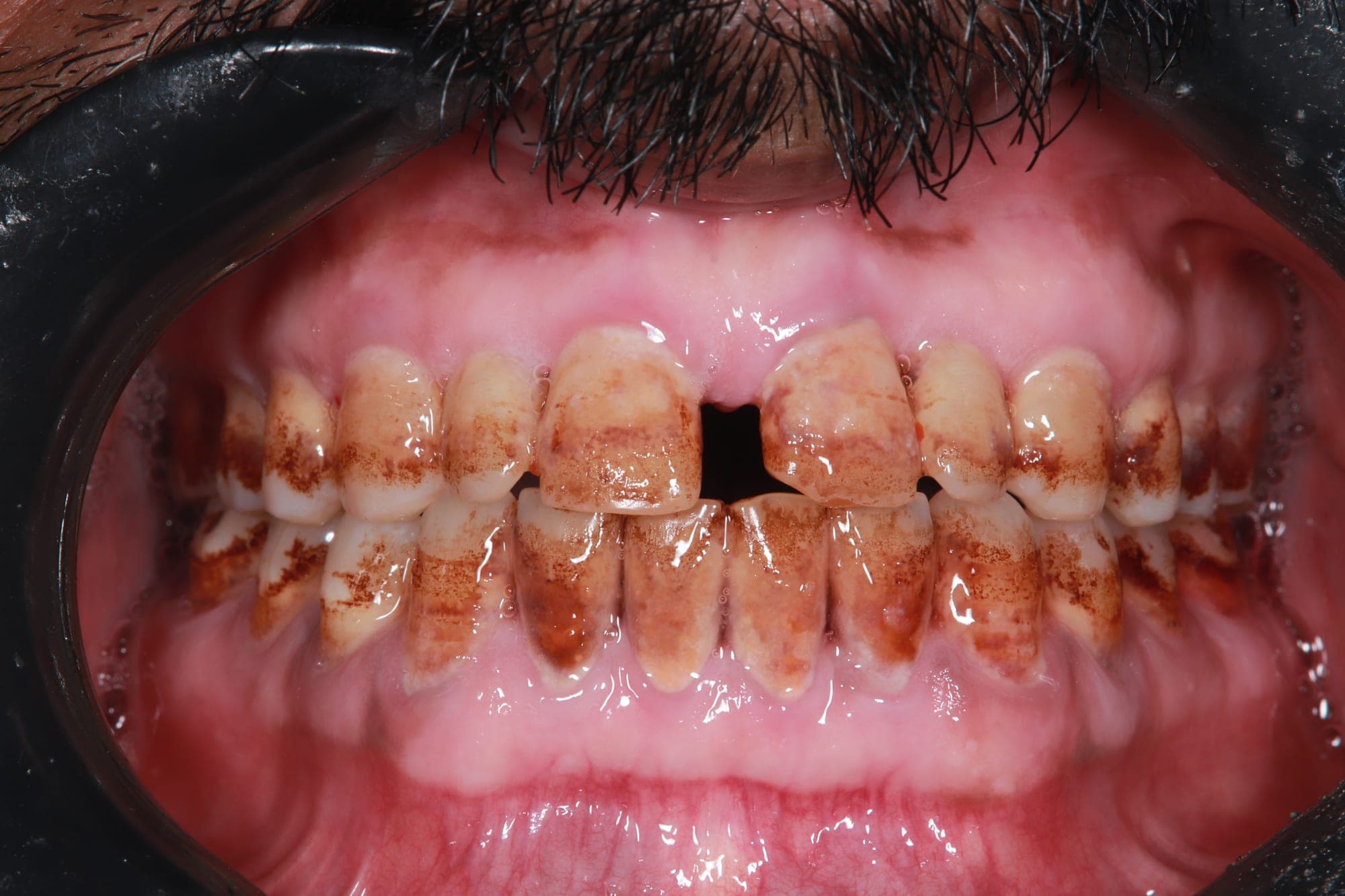
 Before
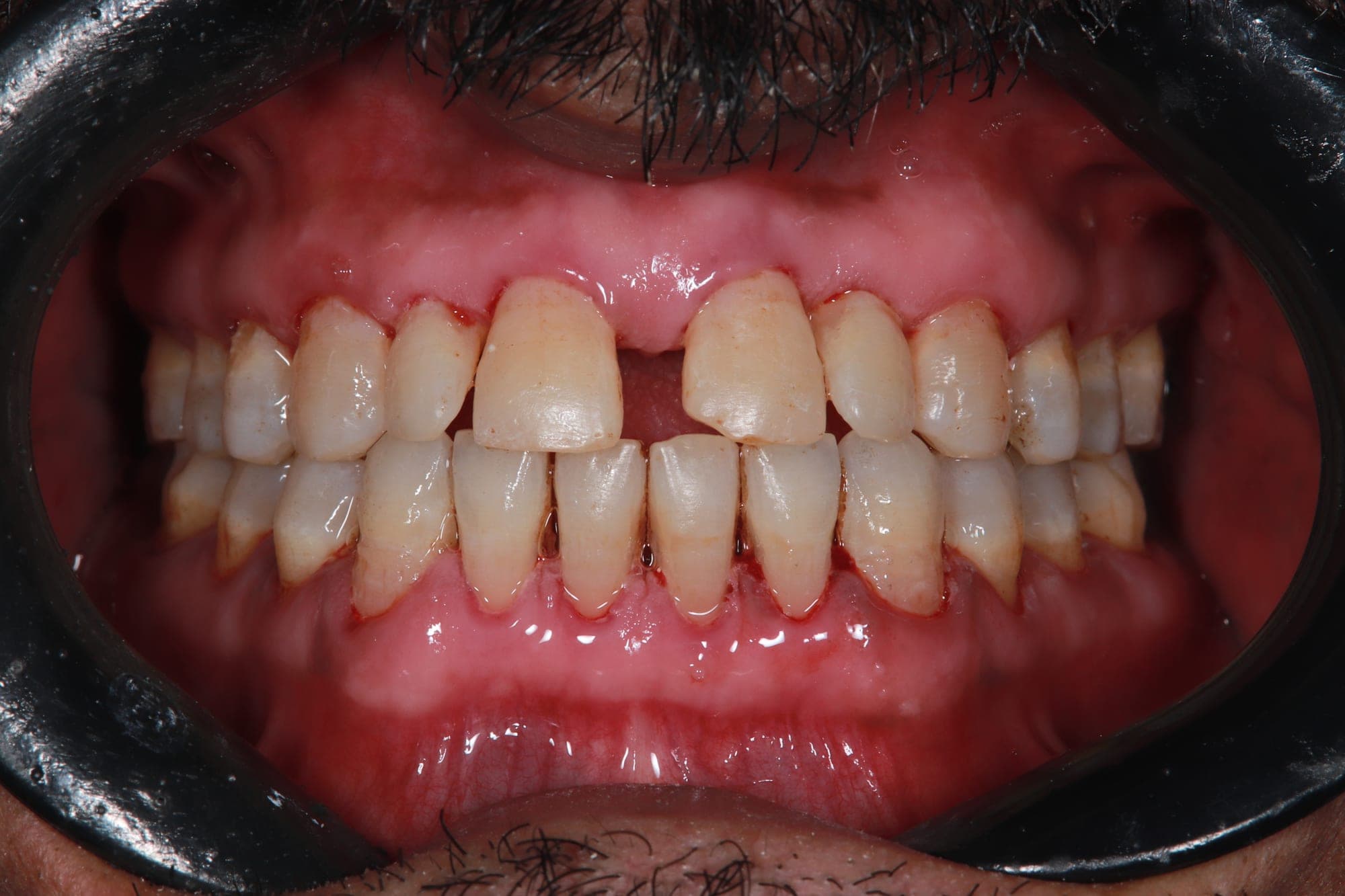 After
AfterPremium Cosmetic Transformation
The transformation is complete. A radiant, high-fashion smile that radiates confidence and timeless elegance.

Overview
Ceramic veneers are thin porcelain shells permanently bonded to the front surface of teeth to improve their color, shape, size, and overall appearance. They typically last 10–15 years, usually require two visits, and are best suited for patients with healthy teeth who want a cosmetic — not structural — improvement.
| Veneers | Crowns | Composite Bonding | |
|---|---|---|---|
| Coverage | Front surface only | Entire tooth | Front surface only |
| Tooth prep | Minimal to none, depending on technique | More significant reduction required | Minimal |
| Best for | Color, shape, minor alignment | Damaged or structurally weak teeth | Small chips, minor fixes, budget option |
| Typical lifespan | 10–15+ years (porcelain) | 10–15+ years | 5–7 years |
| Visits | 2–3 | 2+ | Usually 1 |
Veneers improve appearance while preserving more of the natural tooth structure than a crown does. Crowns cover the entire tooth and are the better choice for teeth weakened by decay or fracture; veneers are for teeth that are structurally sound but cosmetically compromised. Porcelain vs. composite veneers: porcelain lasts longer and resists staining better; composite is faster and less expensive but needs replacing sooner.
All steps are performed in-house at the clinic.
Typically two visits, spaced around the lab fabrication turnaround.
BeforeAfterThe transformation is complete. A radiant, high-fashion smile that radiates confidence and timeless elegance.
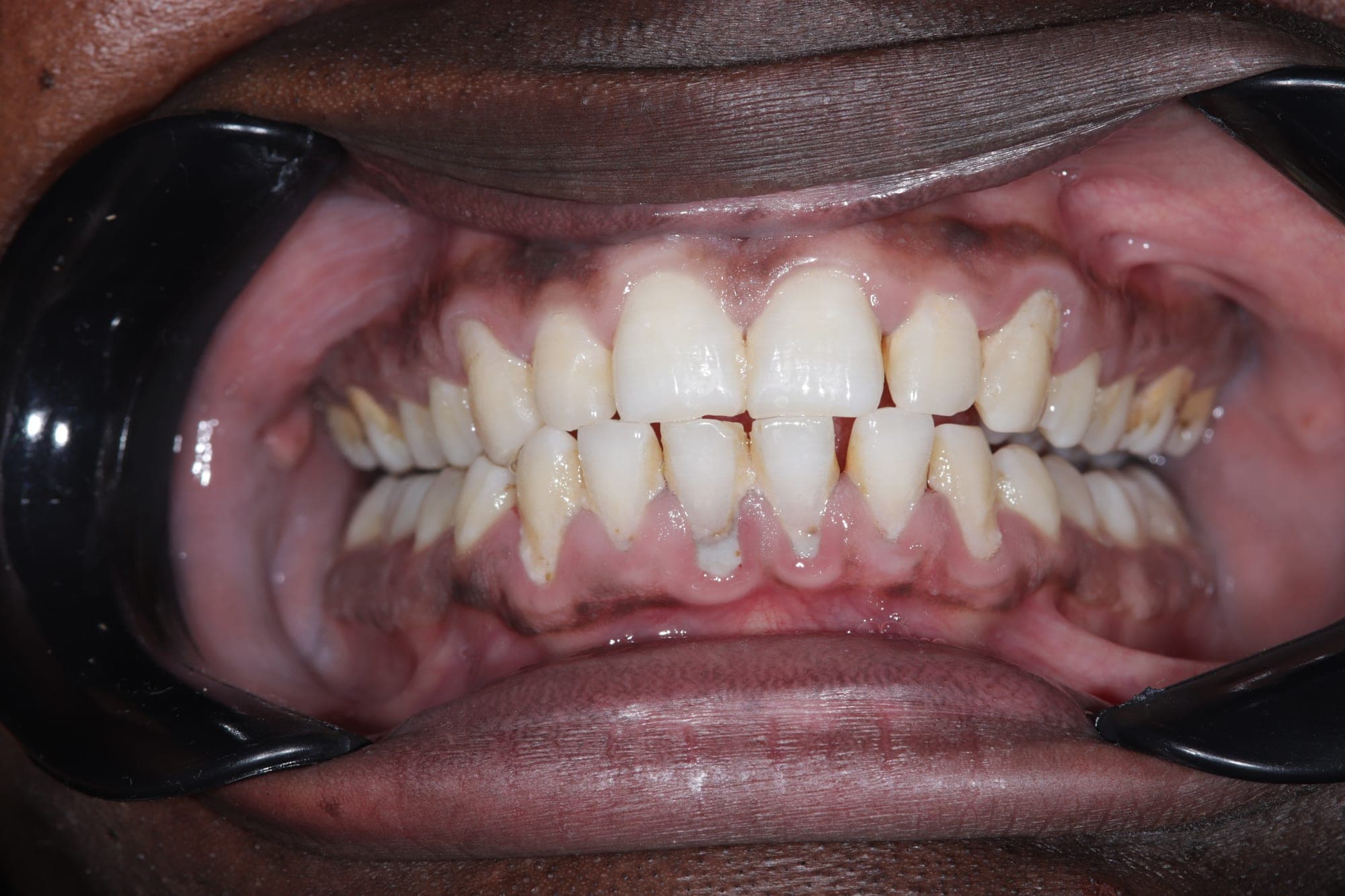 Before
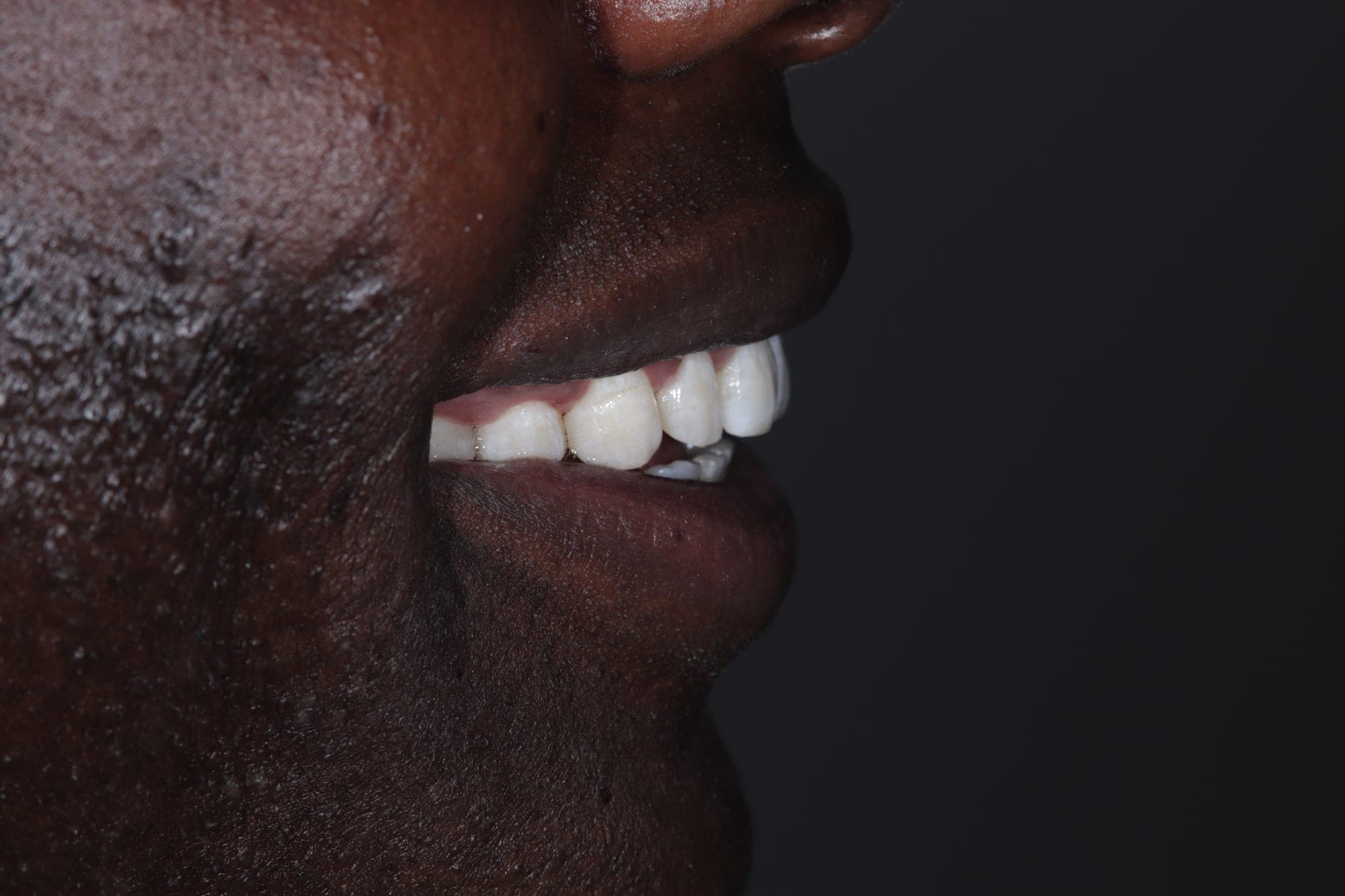 After
AfterThe transformation is complete. A radiant, high-fashion smile that radiates confidence and timeless elegance.
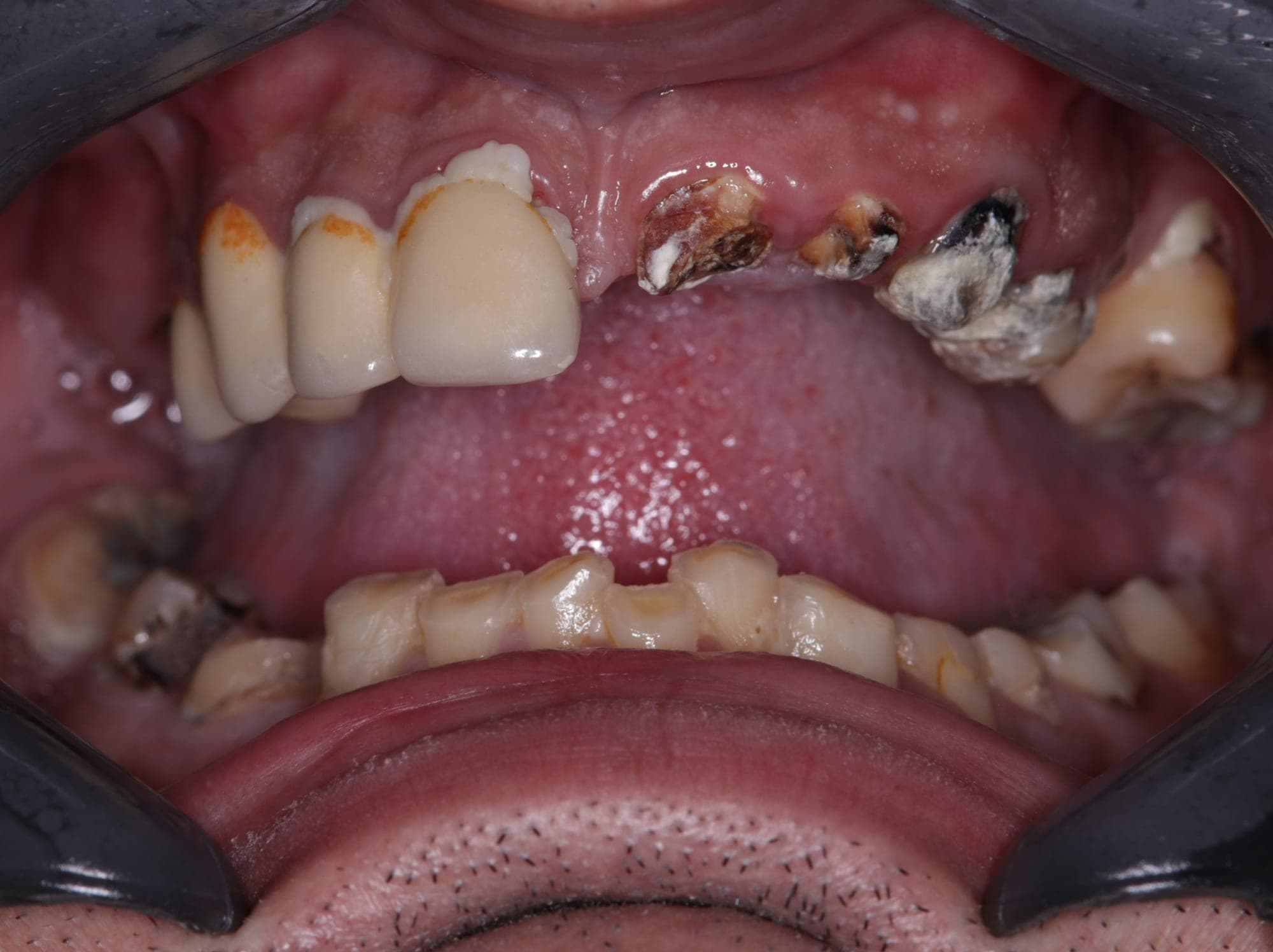 Before
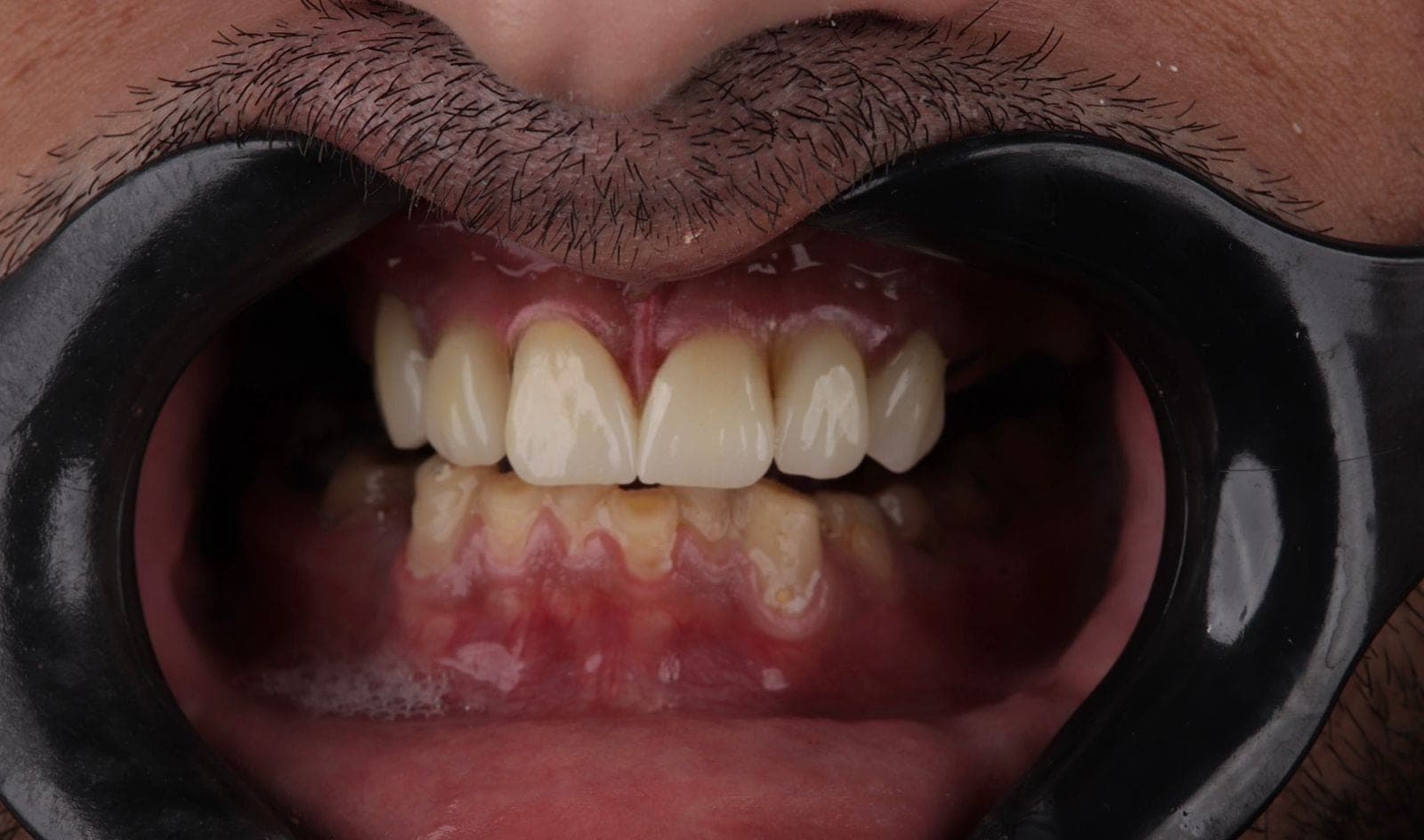 After
AfterThe transformation is complete. A radiant, high-fashion smile that radiates confidence and timeless elegance.
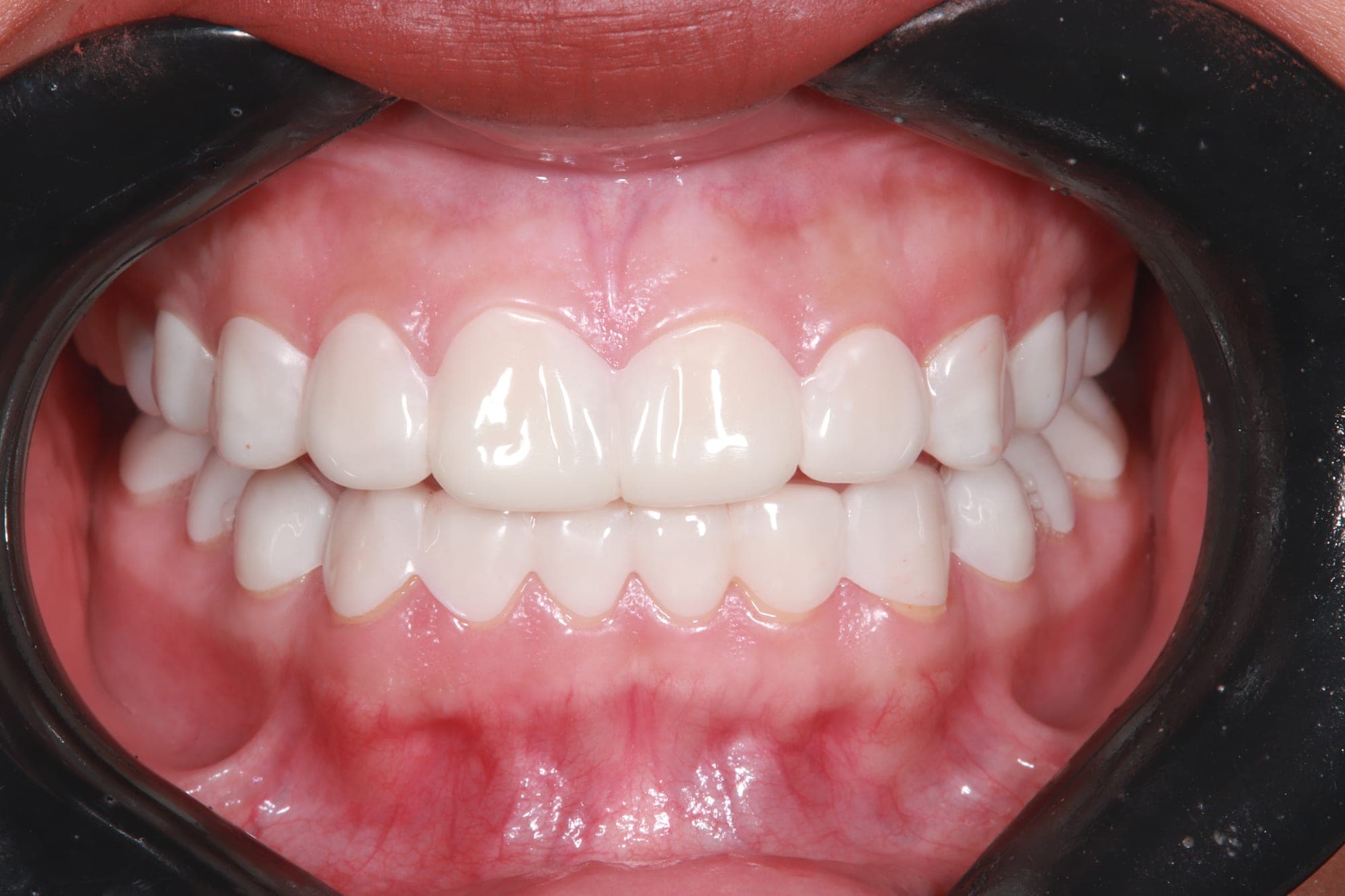 Before
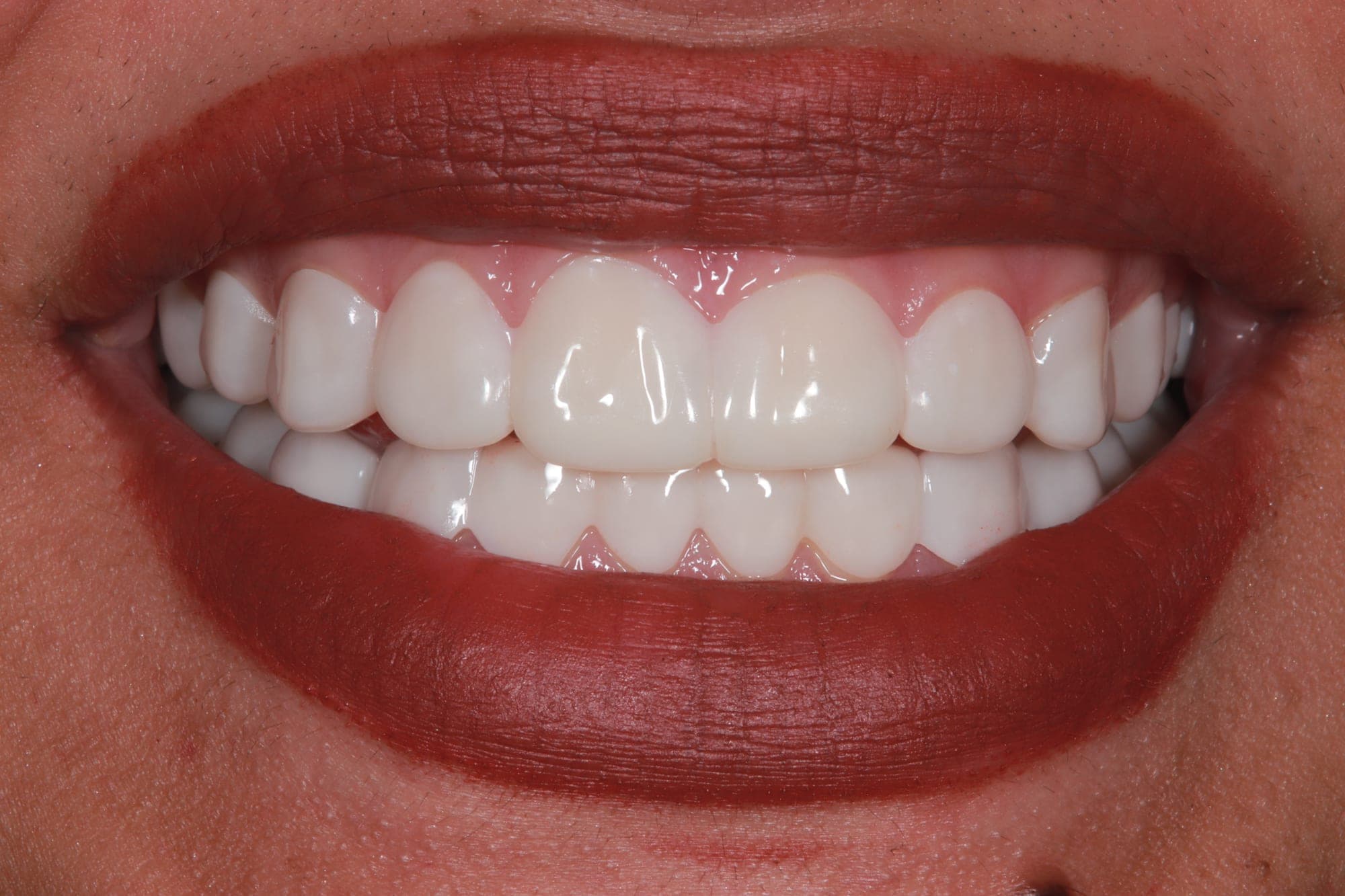 After
AfterThe transformation is complete. A radiant, high-fashion smile that radiates confidence and timeless elegance.
Ceramic veneers are priced per tooth, so the total depends on how many veneers your smile plan includes — some patients need 2 to fix a specific chip or gap, others choose 6–10 for a full smile makeover. Your exact number, and the total, are confirmed at consultation, so there are no surprises later.
See Insurance & Financing for payment plan options, since a full smile transformation is one of the larger investments on the site.
Ceramic veneers are thin, custom-fabricated porcelain shells bonded to the front of your teeth — lab-made to match your desired shape, size, and shade, offering a longer-lasting and more stain-resistant result than composite veneers. The process relies on precise shade matching, a dental laboratory for fabrication, and (where used) digital smile design to preview the result before any tooth is touched.
10–15 years or longer with proper care, though this varies based on habits like teeth grinding.
Per tooth — the total for your case depends on how many veneers your smile plan includes, which is agreed with you at consultation.
No — because a small amount of enamel is permanently removed to fit the veneer, this isn't a reversible procedure the way composite veneers are. Worth factoring into your decision alongside the cost.
Porcelain is highly stain-resistant — far more so than natural enamel or composite — though the bonding margins can pick up staining over many years without proper care.
Tooth preparation is done under local anesthesia, so the procedure itself isn't painful; mild sensitivity for a few days afterward is normal.
This depends on your smile goals — some patients need 2 veneers to fix a specific chip or gap, others choose 6–10 for a full smile makeover. Determined during consultation.
Yes — an individual veneer can usually be replaced on its own if it chips or comes loose, without affecting the rest of the set.
It's uncommon with proper bonding and care, but a veneer can loosen or debond over time, especially under heavy bite force. This is treatable — contact the clinic rather than trying to re-bond it yourself.
No — porcelain doesn't respond to whitening treatments. This is why teeth are typically whitened before veneers, so the veneer shade is matched to your desired final color.
Typically a few days to a couple of weeks, depending on lab fabrication turnaround — you'll wear temporary veneers in the meantime.
No permanent dietary restrictions, but avoid biting directly into very hard foods (ice, unshelled nuts) and use a night guard if you grind your teeth.
Veneers can visually correct slight misalignment or rotation, but they don't move teeth. Significant crowding or bite issues are better addressed with orthodontic treatment first.